

In a move that has sent ripples through global markets, China recently removed tariffs on all imports from 53 African countries. This unprecedented policy shift represents far more than simple trade liberalization - it's a decisive strategic play with profound implications for Africa, China, and global supply chains alike.
An Opportunity Unlike Any Other
China’s decision to eliminate tariffs on African exports opens a massive market for key commodities like cocoa, coffee, grains, rare earth minerals, textiles, and chemicals. For African exporters, this means immediate cost savings, potentially boosting profit margins and providing newfound competitiveness in the vast Chinese market.
Take Ethiopia’s coffee sector as an example. Previously burdened by tariffs, Ethiopian coffee farmers now save significantly per shipment, providing them the financial flexibility to invest in quality improvement and market expansion. Similarly, South African winemakers and Kenyan avocado exporters have gained critical price advantages over global competitors. These opportunities aren’t just financial—they could fundamentally reshape trade flows and industrial development across the African continent.
A Strategic Win for China
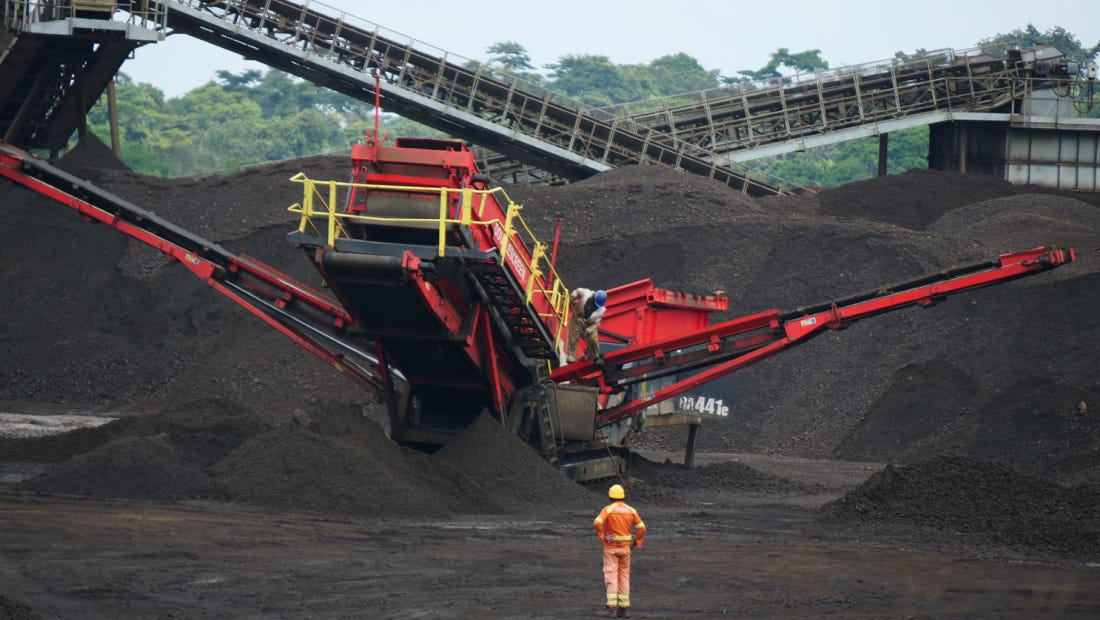
While African exporters stand to gain, this move undeniably serves China’s strategic ambitions. By removing tariffs, China secures steady access to essential resources critical for its rapidly expanding green and high-tech industries. Commodities like cobalt from the Democratic Republic of Congo and copper from Zambia—crucial inputs for batteries and renewable technologies—are now cheaper and more reliably accessible.
Critics argue that this strategy risks deepening Africa's dependence on commodity exports, potentially limiting economic diversification. Yet, the immediate economic stimulus and infrastructure investments that accompany increased trade engagement cannot be overlooked.
Infrastructure Under Pressure
However, for African nations to truly leverage this zero-tariff advantage, substantial investments in infrastructure are urgently needed. Ports like Mombasa, Durban, and Lagos must rapidly scale capacity. Rail networks connecting key industrial zones with export hubs require significant enhancements. Furthermore, digital customs systems and logistics infrastructure will need radical modernization to manage the anticipated surge in trade volumes effectively.
The absence of infrastructure readiness could severely limit the benefits African countries derive from this policy. Indeed, without deliberate strategic planning and significant infrastructure investment, Africa risks becoming a passive participant rather than an active shaper of its economic destiny.
Realigning Global Supply Chains
From a global perspective, China’s tariff elimination is reshaping traditional supply chain networks. Eastern and Southern African regions are rapidly emerging as significant trade corridors, altering global logistics routes and redefining strategic sourcing decisions worldwide.
This shift prompts multinational companies to reconsider their supply chain strategies. Firms must reassess risk profiles, explore new sourcing options, and build relationships with African suppliers. Companies agile enough to pivot swiftly toward these emerging African markets stand to benefit immensely from early-mover advantages.
ESG and Sustainable Development: The Hidden Imperative
Amid excitement about market opportunities and economic potential, sustainability cannot be overlooked. With increased global scrutiny on ethical sourcing and climate responsibility, African producers and their international partners must prioritize sustainable practices from the outset.
China’s market entry conditions—though tariff-free—should ideally include stringent sustainability and ethical guidelines. Programs like Walmart’s Project Gigaton could serve as models for African suppliers, guiding sustainable agricultural and manufacturing practices from the grassroots up. Ensuring that this newfound economic opportunity aligns with global ESG standards is essential for long-term trade viability and ethical growth.
The Persistent Risk of Exploitation
While the opportunities are clear, risks remain starkly apparent. Skeptics rightly highlight China’s historical pattern of engagement with Africa, characterized by resource extraction and infrastructure control rather than genuine economic partnerships. To ensure mutual benefit, African governments must proactively negotiate terms that encourage local industrialization, technology transfer, and capacity-building rather than merely supplying raw materials.
Seizing the Moment: Recommendations for Africa and Global Firms
To harness the full potential of China's tariff elimination, key actions are required:
Infrastructure Investment: African governments and international investors must urgently prioritize upgrading logistics, ports, and railways to support increased trade volumes.
Value-Added Production: African economies should leverage tariff-free access to move beyond raw material exports, investing in processing industries that create local jobs and diversify their economies.
Sustainability Standards: Align trade growth with ESG goals by embedding sustainable and ethical sourcing practices into the fabric of emerging industries.
Strategic Negotiation: Africa must engage China strategically, ensuring economic agreements prioritize African development goals, industrialization, and technology transfer.
Global Realignment: Multinational corporations must recalibrate supply chain strategies, actively partnering with African producers to tap into this dynamic and fast-growing market segment.
Conclusion: A Historic Turning Point
China’s zero-tariff policy isn't merely a change in economic rules—it's a pivotal moment reshaping global trade dynamics. Africa stands at a crossroads, presented with an extraordinary opportunity to redefine its economic trajectory and global trade role.
The question now is whether African nations, alongside international partners, can act swiftly and strategically enough to capitalize on this historic shift. For supply chain executives and global business leaders, understanding and adapting to this new reality will determine their competitive advantage in an increasingly interconnected and dynamic world.
In short, this isn’t just a trade policy shift - it’s a wake-up call to the global economy, marking Africa’s rise as a strategic partner rather than merely a resource hub. The opportunity is here; the time for strategic action is now.
