

Most Companies Can’t See Past Their First Supplier. That’s a Problem.
New research reveals supply chain visibility has declined since 2022, leaving manufacturers exposed to mounting geopolitical and trade pressures.
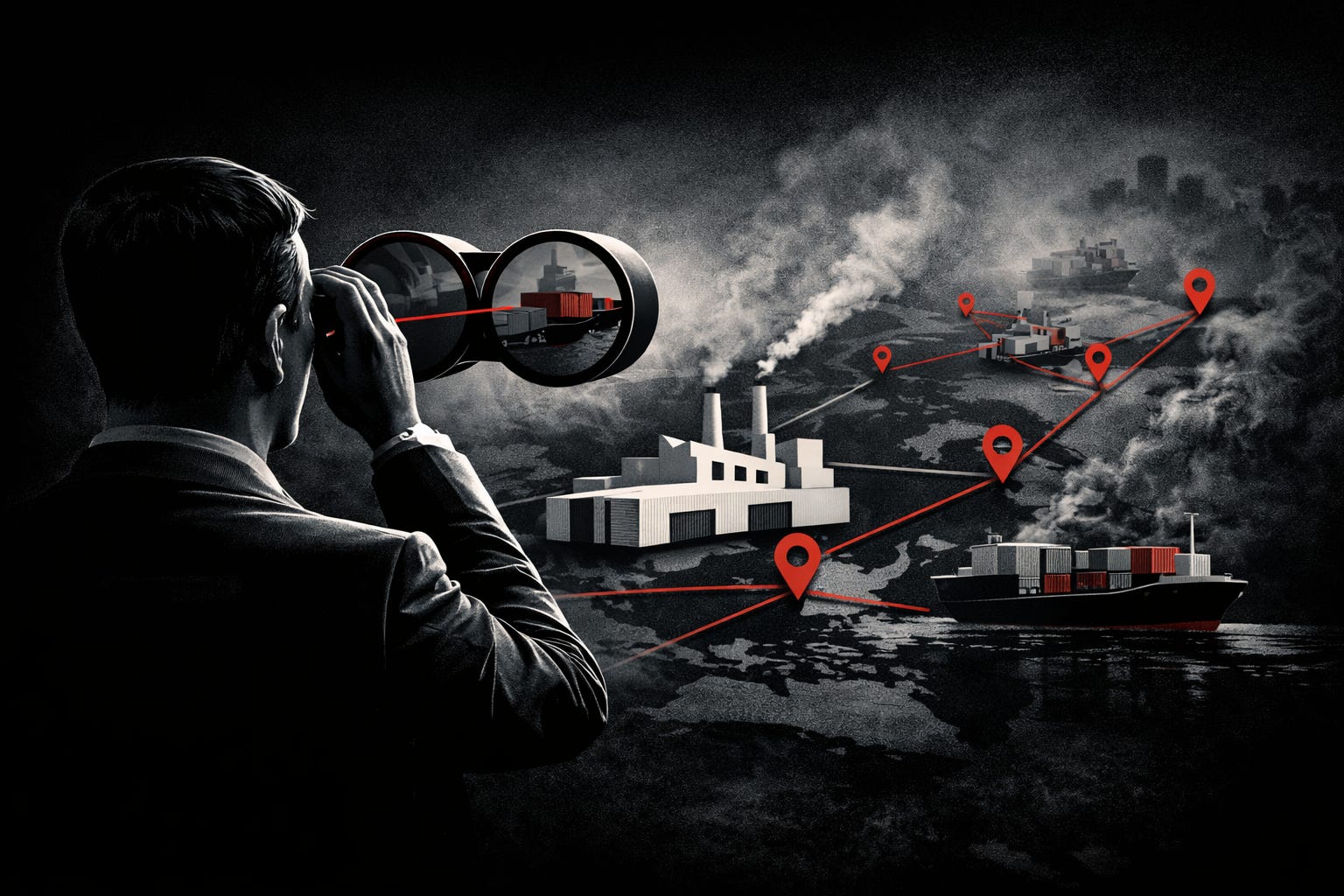
The global manufacturing landscape is shifting beneath companies’ feet. Tariffs, industrial policy, and geopolitical tensions are forcing supply chain leaders to rethink decades of assumptions about where to make products. Yet most companies lack the basic visibility needed to respond.
A January 2026 report from McKinsey & Company, titled “Decoding disruption to reshape manufacturing footprints,” surveyed 100 global supply chain leaders and analyzed 188 KPIs across industries. The findings paint a troubling picture. While 95% of companies report visibility into their tier-one suppliers, only 42% can see into tier-two suppliers or deeper. Worse, that visibility has actually declined since 2022, even as trade tensions escalate.
The Visibility Gap Is Getting Worse
Companies seemed to have learned important lessons during the pandemic. Supply shortages forced executives to map their supplier networks and identify concentration risks. But those efforts have faded.

Continue reading this post for free, courtesy of Global Supply Chain Council.
 | A guest post by
|