

Triumph’s China Exit Exposes the Real Reasons Western Brands Fail in the World’s Largest Market
Industry executives say geopolitics is a convenient excuse. The true culprits are internal: weak leadership, slow decisions, and headquarters that never understood the market.
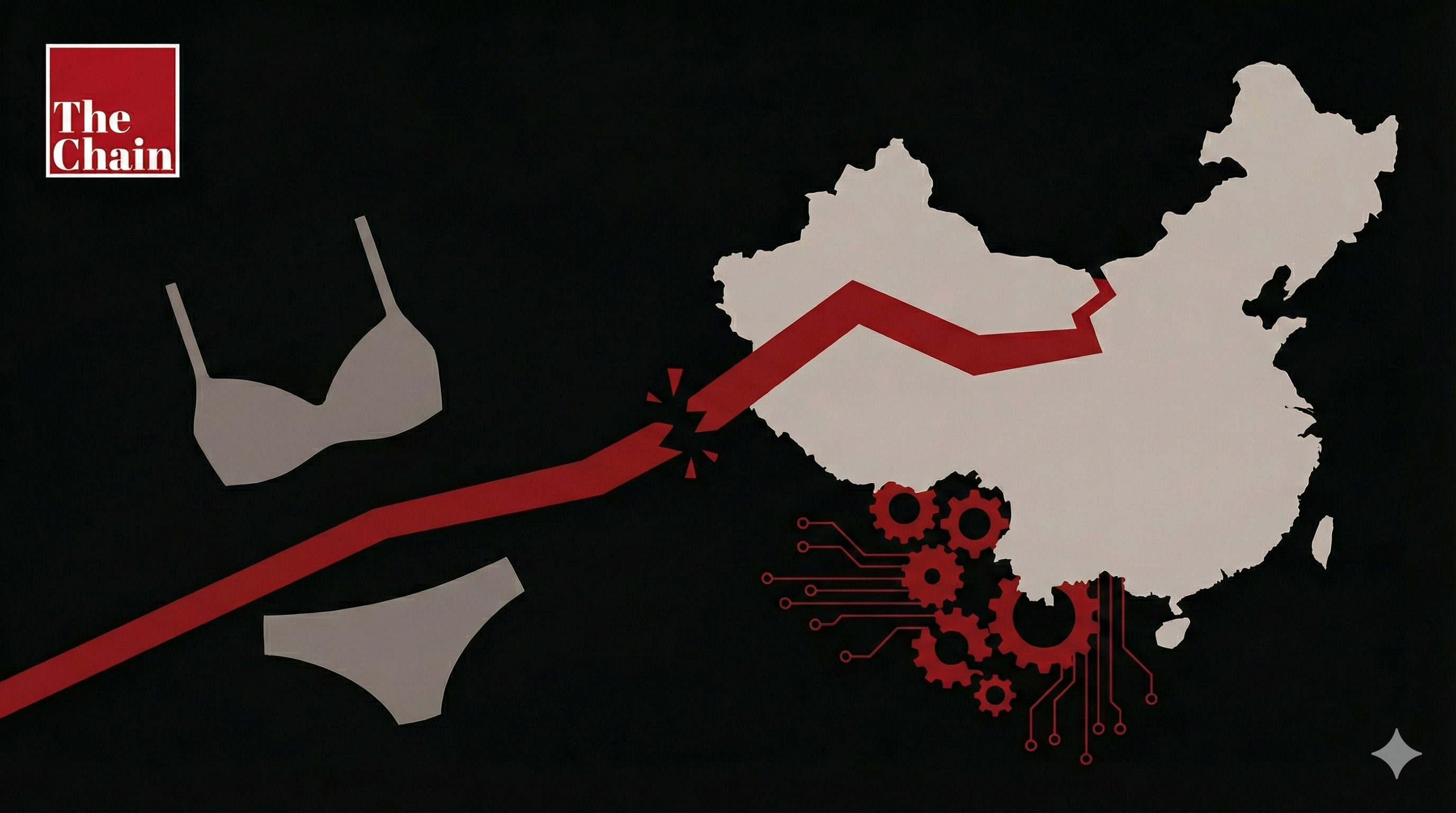
Last December, Triumph, the German lingerie brand, closed its China operations after 31 years. The company entered in 1994 as one of the first Western brands to establish a foothold. For generations of Chinese women aged 40 to 60, Triumph became iconic. Now it joins a growing list of Western brands retreating from the market.
The easy explanation blames trade wars and geopolitical tensions. Executives on the ground tell a different story.
“Trade wars are not the cause,” wrote Emmanuel Hemmerlé, co-founder and managing partner at EH and a long-time China business advisor. “Business dynamics are: declining market share, falling sales, weak profitability, and investment demands HQs can no longer support.”
His assessment triggered a wave of responses from executives, consultants, and China market veterans. The consensus: most Western brand failures in China are self-inflicted.
The Internal Constraints That Kill Western Brands
Hemmerlé identified five internal factors that undermine foreign companies in China:
Unfounded alarmism around “China risk.” Misconceptions about political and geopolitical risk mislead boardrooms. Boards make flawed strategic decisions based on fear rather than on-the-ground intelligence.

Continue reading this post for free, courtesy of Global Supply Chain Council.
 | A guest post by
|